
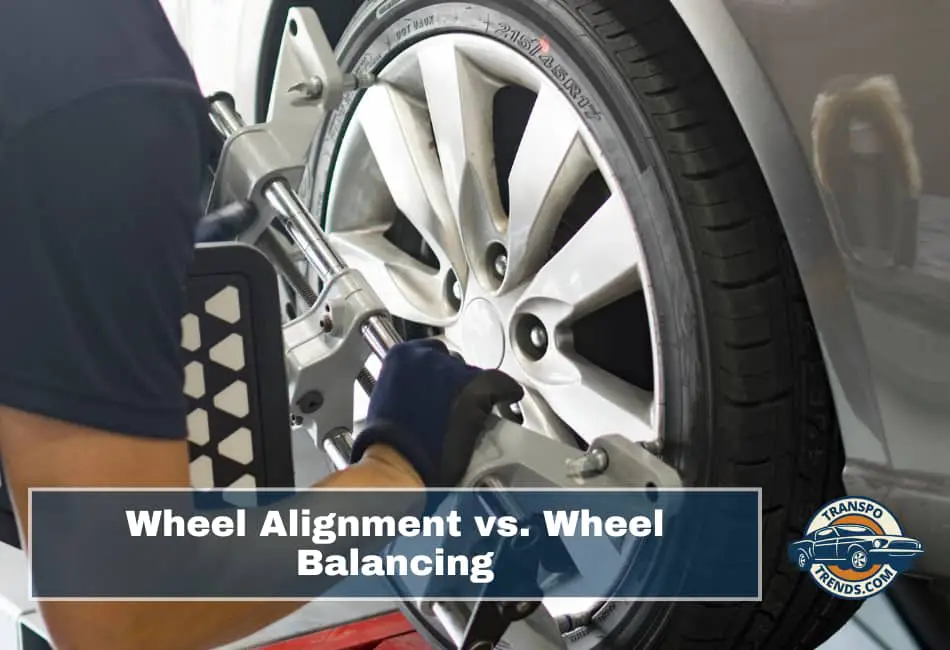
When it comes to car maintenance, few topics confuse drivers more than wheel alignment and wheel balancing. Both services are offered at tire shops, both aim to improve your car’s performance, and both can help extend the life of your tires.
But here’s the truth: alignment and balancing do two very different jobs, and knowing the difference can save you money, prevent wear, and keep your ride smooth and safe.
In this guide, we will walk through what each service does, why they matter, and when you need them. Whether you drive a compact sedan, a family SUV, or a workhorse truck, understanding these essentials will help you stay ahead of costly repairs and enjoy a better driving experience.
What Is Wheel Alignment?
Wheel alignment is all about making sure your car’s wheels point in the right direction and sit at the correct angles. Imagine your car rolling down the highway.
Ideally, the tires are aligned so they point perfectly forward, sit flat on the road, and work together to give you stable, predictable steering.
Alignment adjusts three main things:
- Toe (whether the tires angle inward or outward when viewed from above)
- Camber (whether the tires tilt inward or outward when viewed from the front)
- Caster (the angle of the steering axis, affecting stability)
As Michelin explains, alignment means setting these angles to the car manufacturer’s specs so the car drives straight and the tires wear evenly.
If the alignment is off, you may notice your car drifting to one side, the steering wheel sitting off-center, or the tires wearing unevenly on one edge.
For SUVs and trucks that carry heavy loads, alignment is especially critical because extra weight can throw things out of spec, making the vehicle feel unstable.
What Is Wheel Balancing?
Wheel balancing, on the other hand, focuses on the weight distribution of each individual wheel-and-tire assembly. Even when a tire looks perfect, tiny weight differences in the tire or rim can cause it to wobble as it spins.
To fix this, technicians use balancing machines to detect uneven spots and then apply small metal weights to even things out.
Balancing is what keeps your ride smooth, especially at highway speeds. If you have ever felt your steering wheel vibrate when driving faster, or noticed a shudder coming through the floorboards, chances are you were dealing with an unbalanced tire.
As Firestone explains, balancing corrects “uneven weight distribution… by adding small metal weights,” so your tires spin smoothly without bouncing or wobbling.
Alignment vs. Balancing: The Big Differences
The easiest way to remember the difference is this:
- Alignment adjusts the angles of your wheels so they sit correctly on the road.
- Balancing adjusts the weight of your wheels so they spin smoothly.
Alignment affects how your car steers and handles. Balancing affects how your car feels on the road.
Both services can help reduce uneven tire wear, but they solve very different problems. Misalignment causes your car to pull or drift; imbalance causes vibrations or shaking.
And while alignment is usually checked once or twice a year, balancing is often done more frequently — usually with every tire installation or rotation.
Signs You Need a Wheel Alignment
Misaligned wheels give you some pretty clear signals if you know what to look for:
- Your car pulls to one side when driving on a straight road.
- Your steering wheel sits crooked even when you are going straight.
- Uneven tire wear, especially on the inner or outer edges.
- Steering feels loose or unstable, especially after hitting a pothole or curb.
For SUVs, trucks, or any vehicle that hauls heavy cargo or tows trailers, alignment issues can develop faster because of the extra stress on the suspension. After a long towing trip or hauling heavy loads, it is smart to check alignment to avoid costly tire replacements.
Signs You Need Wheel Balancing
Wheel imbalance often shows up as a shaky or vibrating ride. Here are the signs:
- Vibration in the steering wheel, seat, or floorboard, especially at highway speeds.
- Tires that show cupping or patchy wear patterns.
- Increased road noise or a “thumping” feeling.
Even a light tap against a curb can knock a wheel out of balance, and the effects are amplified on vehicles with larger wheels like trucks or SUVs.
That is why shops usually balance tires every time they are rotated or replaced. Skipping balancing can lead to premature tire wear and may even damage suspension parts over time.
Why Both Alignment and Balancing Matter
Many drivers assume they only need alignment or balancing when they replace tires. But here’s the reality:
- Neglecting alignment leads to premature tire wear, poor handling, and reduced safety.
- Neglecting balancing leads to vibrations, uneven wear, and uncomfortable driving.
Michelin explains that imbalance “can generate vibrations in the suspension and vehicle structure,” wearing out tires and other parts.
Likewise, AAA points out that one-sided tire wear often signals alignment issues that, if left unchecked, shorten tire lifespan and increase costs.
Combined, alignment and balancing protect your tires, extend their lifespan, improve fuel economy, and make driving more enjoyable.
How Often Should You Get Alignment and Balancing?
Here is a simple guideline:
- Wheel Alignment: Check at least once a year, when you get new tires, or after a significant impact (like hitting a curb or pothole). If you drive a truck or SUV that tows frequently, check more often.
- Wheel Balancing: Do it every time you install new tires, and ideally every 5,000 to 6,000 miles (often during tire rotation).
Aligning with these intervals helps avoid surprises and keeps you ahead of major repairs.
Effects of Ignoring Alignment
Skipping alignment might save you a few dollars today, but it can cost much more later. Here’s why:
- Tires wear out unevenly and faster. You might need to replace a full set years earlier than expected.
- Your car becomes harder to handle. It may drift in one direction, and you may need constant steering correction, especially dangerous in rain or on slick roads.
- Suspension and steering components wear out. Misalignment puts stress on parts like tie rods, ball joints, and wheel bearings.
In short, ignoring alignment erodes the safety and reliability of your vehicle.
Effects of Ignoring Balancing
Neglecting balancing brings its own headaches:
- You will feel vibrations at speed, making every drive less comfortable.
- Tires will develop uneven or cupped wear patterns, shortening their life.
- Suspension parts can wear out prematurely due to constant shaking.
And remember, balancing is quick and inexpensive when done during routine tire maintenance, so it is one of the easiest ways to protect your investment.
Final Thoughts
Understanding the difference between wheel alignment and wheel balancing is one of the smartest things you can do as a car owner. Both are essential for keeping your car safe, your tires healthy, and your driving experience smooth.
The next time you are at the shop, do not be afraid to ask for both services. Not only will you avoid uneven tire wear and annoying vibrations, but you will also save money in the long run by preventing bigger problems down the road.
For a helpful overview of tire care and alignment basics, check out the National Highway Traffic Safety Administration’s tire safety guide.
And for a great breakdown of tire balancing and alignment details, see this Bridgestone resource here!
With just a little attention and routine service, you can enjoy years of safe, smooth driving. Your car, your wallet, and your passengers will thank you.