
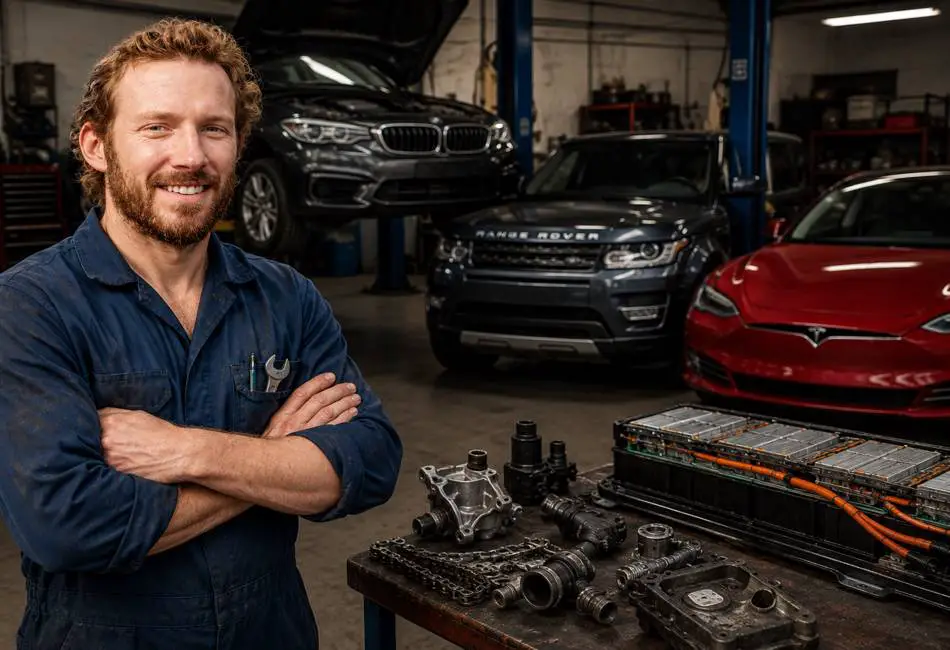
I’ve had thousands of cars come through my garage over 22 years, and I can tell you the most expensive part of owning a car is rarely the price on the window sticker. It’s everything that comes after.
Some cars are quietly designed to drain your bank account the moment the warranty runs out, and three of them land on my schedule so often I could practically diagnose them blindfolded.
I said what I said. Let me show you the bills.
1. Any BMW Once the Warranty Expires
Here’s the trap with BMW. The car is genuinely wonderful for the first four years. Tight, fast, beautifully built. Then year five arrives, the warranty expires, and the timing chain guides, water pump, and oil filter housing gasket all decide to retire at the same time, almost like they were scheduled to.
I’ve seen it personally. A customer once brought me a “great deal” used BMW he’d bought, thrilled with the price. Two months later he was back in my shop staring at an $1,800 oil filter housing job, wondering what happened.
Average annual repair cost on an out-of-warranty BMW runs around $1,000. Roughly double the industry average. There’s a reason the lease return rate is so high. People hand them back before the bills land.
If you know, you know. If you’re buying one used and out of warranty, budget for the repairs before you fall in love with the badge. At minimum, get a proper pre-purchase inspection first. The cheapest insurance you can buy here is a basic OBD2 diagnostic scanner, which plugs into the car and pulls up hidden trouble codes the seller may be hoping you’ll miss.
2. Range Rover, Any Year, Any Model
I’ll be blunt: the Range Rover is one of the least reliable vehicles sold in America, year after year, and what comes through my door backs that up. Owners routinely report spending $1,500 to $2,000 a year on repairs once these are a few years old. Air suspension, electronics, oil leaks. It’s not one weak point, it’s the whole car aging at once.
Then there’s the depreciation. A Range Rover can lose around 65% of its value in the first five years. One of the steepest drops in the entire luxury SUV market. If you want to see how it stacks up against other fast-depreciating models, we broke that down in our look at the cars with the worst depreciating value after five years.
So you’re spending $90,000 on a vehicle that bleeds value and eats repair money. As a mechanic, that’s the combination I beg people to avoid: expensive to buy, expensive to keep, and worth little when you sell.
3. The Older Tesla Model S
I love what Teslas did to the industry, so this one isn’t a brand grudge. It’s math. On the older Model S, the issue is the battery pack. Once that original pack starts to fade, you’re looking at a replacement that can cost more than the car is currently worth.
When a used one is sitting at around $25,000 and the “fuel tank” (the battery) costs more than that, the economics stop making sense.
It’s the only car I deal with where the single most expensive component is worth more than the whole vehicle around it. Before you buy any older EV used, get the battery’s state of health checked. You can read one yourself with an EV battery health scan tool that pulls the pack’s real condition, and that one number tells you whether you’re buying a car or a future paperweight. It’s worth understanding the hidden costs of electric cars nobody talks about before you sign anything.
What I’d Actually Buy
Three very different cars, one identical conclusion: the cheap part is the purchase, the expensive part is the ownership.
After 4,000-plus vehicles, my honest advice hasn’t changed. Buy a well-maintained used Toyota, take care of it, drive it for 15 years, and invest the difference. It won’t turn heads at the valet stand. It’ll just quietly keep your money in your pocket. That’s not just my opinion either. The reliability data the Consumer Reports team publishes every year tells the same story, and it’s worth a look before your next purchase.