
As car owners, we often prioritize major maintenance tasks like oil changes, brake inspections, and engine tune-ups.
However, two critical yet frequently overlooked services—tire rotation and wheel alignment—are essential for ensuring your vehicle performs at its best.
These practices not only prolong the life of your tires but also enhance safety, improve fuel efficiency, and provide a smoother driving experience.
In this comprehensive guide, we’ll explore what tire rotation and wheel alignment entail, why they are necessary, how they complement each other, and the tangible benefits they offer for your vehicle and wallet.
What is Tire Rotation?
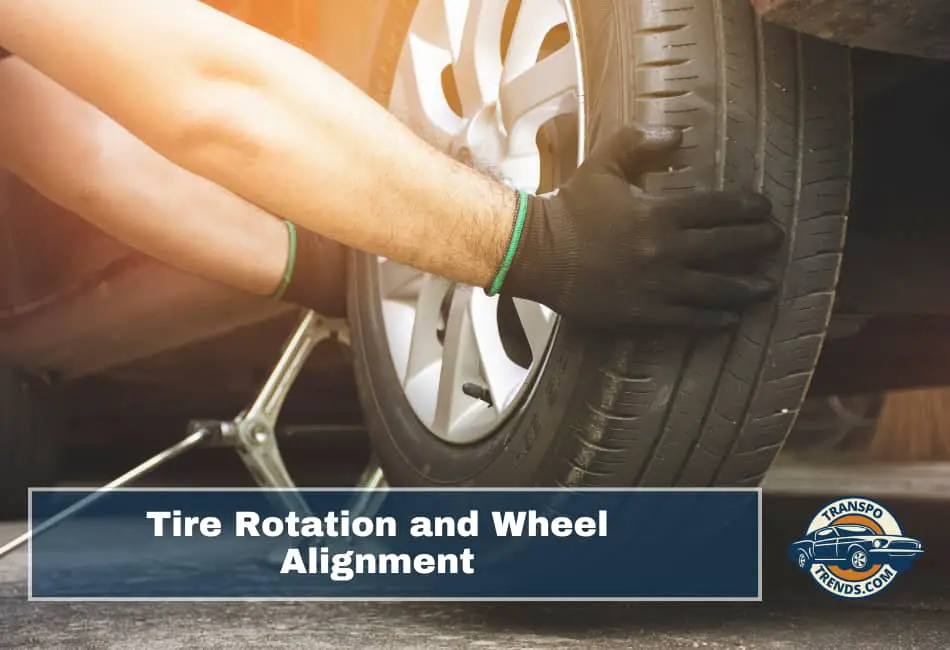
Tire rotation is a straightforward maintenance procedure that involves moving your vehicle’s tires from one position to another—typically from front to back or side to side.
The goal is to ensure that all four tires wear evenly over time. Different positions on your car experience varying levels of wear due to factors such as weight distribution, steering forces, and braking.
For instance, front tires often bear more weight and handle steering, causing them to wear faster than rear tires.
By rotating your tires, you distribute the wear more evenly, which extends tire lifespan and maintains consistent performance.
How Often Should You Rotate Your Tires?
Most vehicle manufacturers recommend rotating tires every 5,000 to 7,500 miles, but this can vary based on driving habits, tire type, and vehicle specifications.
For example, aggressive driving or frequent highway travel may necessitate more frequent rotations. Always consult your owner’s manual for the manufacturer’s specific recommendations.
If no guidance is provided, a general rule is to rotate tires every 5,000 to 7,000 miles, as suggested by experts at Bridgestone.
Types of Rotation Patterns
The rotation pattern depends on your vehicle’s drivetrain and tire type:
| Vehicle Type | Rotation Pattern |
|---|---|
| Front-Wheel Drive | Front tires move straight to the rear; rear tires move straight to the front. |
| Rear-Wheel Drive | Rear tires move to the front; front tires move to the opposite rear positions. |
| All-Wheel Drive | Cross pattern: front tires to opposite rear, rear tires to opposite front. |
| Directional Tires | Front to rear on the same side, as these tires are designed to rotate in one direction. |
Choosing the correct pattern ensures optimal tire performance and longevity.
What is Wheel Alignment?
Wheel alignment, also known as tire alignment, involves adjusting the angles of your wheels to align with the manufacturer’s specifications.
Proper alignment ensures that your vehicle drives straight, handles correctly, and maintains optimal tire contact with the road. Alignment focuses on three key angles:
- Camber: The tilt of the tire when viewed from the front (inward or outward).
- Caster: The angle of the steering axis when viewed from the side, affecting stability.
- Toe: The direction the tires point relative to the vehicle’s centerline (inward or outward).
Misalignment can occur due to normal wear, hitting potholes, curbs, or other road hazards. When wheels are misaligned, tires wear unevenly, and the vehicle may pull to one side, compromising safety and comfort.
Signs You Need Wheel Alignment
Look out for these indicators that your wheels may need alignment:
- Your vehicle pulls to one side when driving on a straight road.
- Uneven or rapid tire wear, such as one side of the tire wearing faster than the other.
- A crooked steering wheel when driving straight.
- Vibrations in the steering wheel or seat, which may also indicate other issues like tire imbalance.
How Often Should You Check Alignment?
Experts recommend checking wheel alignment every 12,000 miles or at least once or twice a year, as noted by Firestone Complete Auto Care.
However, if you frequently drive on rough roads or notice any of the signs above, you should have it checked sooner.
For the best results, choose a shop that uses computer-assisted alignment machines and request a printout of the adjustment angles for your records.
The Relationship Between Tire Rotation and Wheel Alignment
Tire rotation and wheel alignment are distinct but complementary services that work together to maintain tire health and vehicle performance.
Tire rotation addresses uneven wear caused by the different roles each tire plays (e.g., front tires steering vs. rear tires supporting weight), while wheel alignment ensures that the tires are positioned correctly to minimize wear and optimize handling.
Neglecting wheel alignment can lead to uneven tire wear, even if you rotate your tires regularly. For example, if your wheels are misaligned, one side of the tire may wear faster, reducing the effectiveness of rotation.
Conversely, failing to rotate tires can cause uneven wear patterns, even with perfect alignment, due to the inherent differences in stress on front and rear wheels.
Together, these services form a holistic approach to tire maintenance, ensuring your vehicle runs smoothly and safely.
Benefits of Regular Tire Rotation and Wheel Alignment
Regular tire rotation and wheel alignment offer a range of benefits that enhance your driving experience and save you money over time. Here are the key advantages:
1. Extended Tire Life
Uneven tire wear is a leading cause of premature tire replacement. By rotating tires regularly, you ensure that all tires wear evenly, maximizing their lifespan.
Similarly, proper wheel alignment prevents excessive wear on specific areas of the tire, further extending tire life.
According to industry sources, alignment issues can shorten tire life by thousands of miles if left untreated.
2. Improved Fuel Efficiency
Misaligned tires and unevenly worn tires increase rolling resistance, forcing your engine to work harder and consume more fuel.
Proper alignment reduces drag, allowing tires to roll freely, which improves fuel efficiency. Regular tire rotation also helps maintain optimal tire performance, indirectly supporting better fuel economy.
While exact figures vary, experts at SimpleTire note that aligned tires can enhance fuel efficiency by reducing the energy needed to move the vehicle.
3. Better Handling and Safety
Well-aligned wheels and evenly worn tires provide superior traction and stability, especially in challenging conditions like wet or icy roads.
This improves your vehicle’s handling, making it easier to steer and maintain control. Misaligned wheels can cause your car to pull to one side or feel unstable, increasing the risk of accidents.
Regular maintenance ensures a safer driving experience for you and your passengers.
4. Cost Savings
By extending tire life and improving fuel efficiency, tire rotation and wheel alignment help you save money in the long run.
Additionally, neglecting these services can lead to more serious issues, such as suspension damage or the need for costly tire replacements.
Preventive maintenance is far more economical than reactive repairs, making these services a smart investment.
Summary of Benefits
| Benefit | Tire Rotation | Wheel Alignment |
|---|---|---|
| Extends Tire Life | Balances wear across all tires | Prevents uneven wear due to misalignment |
| Improves Fuel Efficiency | Maintains optimal tire performance | Reduces rolling resistance and drag |
| Enhances Safety | Ensures consistent traction and handling | Improves steering and stability |
| Saves Money | Reduces need for premature replacements | Prevents costly suspension repairs |
How to Maintain Your Tires
In addition to tire rotation and wheel alignment, adopting a proactive approach to tire maintenance can further enhance your vehicle’s performance. Here are some practical tips:
Check Tire Pressure Regularly:
Proper inflation is critical for tire longevity, fuel efficiency, and safety. Check your tire pressure at least once a month and before long trips, using the recommended pressure listed in your owner’s manual or on the driver’s side door jamb.
Inspect Tires for Wear and Damage:
Regularly examine your tires for signs of uneven wear, bulges, cuts, or punctures. If you notice any issues, consult a professional immediately to prevent further damage.
Follow the Maintenance Schedule:
Adhere to your vehicle’s recommended schedule for tire rotation and alignment. If you’re unsure, a trusted mechanic can help you create a maintenance plan tailored to your driving habits.
Consider Tire Balancing:
While not the focus of this article, tire balancing—adjusting the weight distribution of tires and wheels—can complement rotation and alignment.
It’s often done during rotation to minimize vibrations and improve ride quality.