
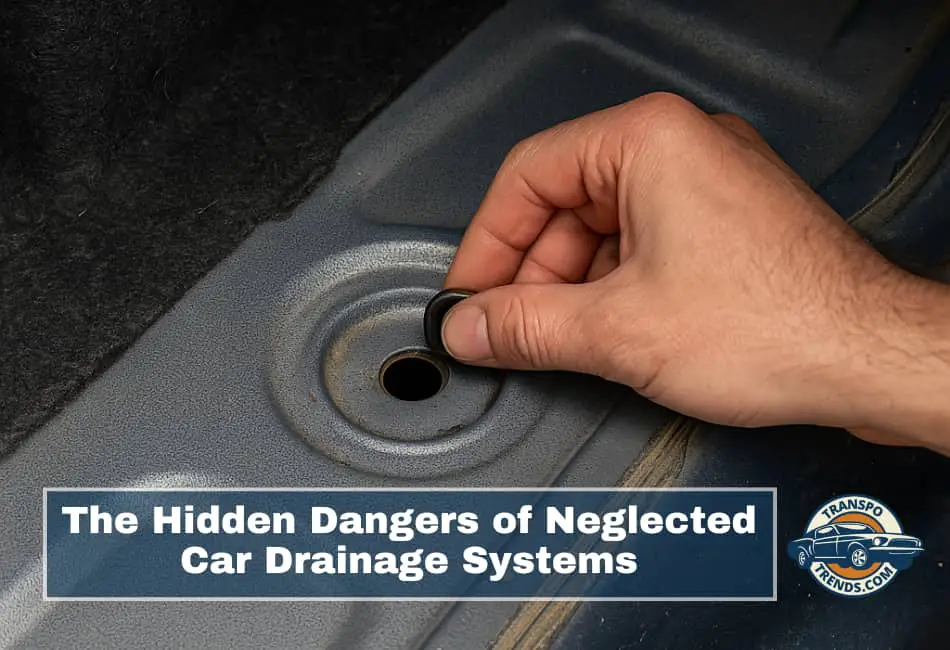
When considering vehicle maintenance, most drivers focus on oil changes, tire rotations, and brake inspections. However, an often-overlooked aspect is the car’s drainage system.
These small, inconspicuous holes play a vital role in preventing water accumulation, which can lead to severe damage if ignored.
This guide delves into the essential drainage points in your vehicle and the consequences of neglecting them.
1. Door Drainage Holes: Protecting Your Electronics
Location: At the bottom edge of each car door
Function: These holes allow water that enters through window seals to exit, preventing accumulation inside the door panel.
Risks of Neglect: Clogged door drains can lead to water pooling inside the door, which may damage window motors, speakers, and other electronic components. Over time, this can result in malfunctioning windows and corroded wiring.
Maintenance Tip: Regularly inspect and clean these holes using a small brush or compressed air. If you notice water sloshing sounds or damp carpets, it may indicate clogged door drains.
2. Sunroof Drainage Channels: Preventing Interior Leaks
Location: Corners of the sunroof frame, leading down the A-pillars and exiting near the wheel wells.
Function: Sunroof drains channel water away from the roof to prevent leaks into the cabin.
Risks of Neglect: Blocked sunroof drains can cause water to overflow into the interior, leading to stained headliners, mold growth, and unpleasant odors.
Maintenance Tip: Use a flexible wire or specialized cleaning tool to gently clear any debris from the drains. Pouring a small amount of water into the sunroof channel can help ensure proper drainage.
3. Fuel Filler Drain Hole: Avoiding Contaminated Fuel
Location: Within the fuel filler compartment
Function: This drain prevents water from accumulating around the fuel cap, which could otherwise seep into the fuel tank.
Risks of Neglect: A clogged fuel filler drain can allow water to enter the fuel system, leading to engine performance issues and potential damage.
Maintenance Tip: Inspect the drain hole for debris and clean it using a thin wire or compressed air. Ensure the area remains clear to prevent water intrusion.
4. Trunk Drainage Hole: Keeping the Spare Tire Well Dry
Location: Underneath the spare tire compartment
Function: This drain allows water that enters the trunk to escape, preventing accumulation in the spare tire well.
Risks of Neglect: Water pooling in the trunk can lead to rust, mold, and damage to stored items. It may also cause unpleasant odors and degrade the vehicle’s structural integrity.
Maintenance Tip: Periodically remove the spare tire and inspect the well for moisture. Clean the drain hole to ensure unobstructed water flow.
5. Engine Bay Drainage Ports: Protecting Critical Components
Location: Various points in the engine compartment, including the cowl area.
Function: These drains prevent water from accumulating in the engine bay, which could damage electrical components and lead to corrosion.
Risks of Neglect: Blocked engine bay drains can cause water to pool around sensitive components, leading to electrical failures, corrosion, and potential engine damage.
Maintenance Tip: Regularly inspect the engine bay for signs of water accumulation. Clear any debris from drainage points to ensure proper water flow.