
Fall is here, and if your car could talk, it would be begging you for some TLC right about now. This is not the time to wing it or assume that a summer of reliable starts and smooth rides guarantees anything in colder months.
If you want your ride to stay sharp, safe, and clean-looking through fall and into winter, you need to show it some love. Not next week. Not next month. Now.
Let’s talk about the essential fall car maintenance moves that will have your car thanking you come the first cold snap.
1. Remove Summer’s Battlefield: Bug Splatters
First up: the massacre on your front bumper. Bug guts. Sun-baked, acid-laced, paint-killing bug remains. If you think a quick car wash is going to take that off, think again.
What you need is a solid bug remover spray. Spray it on, let it sit for a minute, and wipe it off with a microfiber towel. Done right, it will melt away all that gunk without harming your clear coat. Just do not expect it to fix rock chips. It is for bugs, not battle scars.
Once the bug guts are gone, lay down a layer of wax or sealant. That makes the next cleanup easier and keeps future insects from bonding.
2. Clear Up Cloudy Headlights Before the Long Nights
Fall means earlier sunsets, darker drives, and the kind of visibility that makes sketchy headlights a real liability. If your lenses look foggy or yellowed, you are not imagining it. That is oxidation, and it is cutting your night vision down by half.
Do not wait for winter. Grab a headlight restoration kit, tape around your lights to protect your paint, and follow the steps. Sand, polish, coat. Do it once a year and you will be golden.
A basic kit with sandpaper and polish is all most people need, and it costs less than dinner out. It is one of the easiest ways to improve safety for night driving.
3. Tire Pressure Check
Your tires lose pressure when the temps drop. For every 10°F, expect a 1-2 PSI drop. And running low on tire pressure is a recipe for bad handling, lousy gas mileage, and faster tread wear. That is a trifecta of regret.
Use a tire pressure gauge and check your pressures monthly. Top off with air when needed and keep them at factory spec. Also, check tread depth. If you cannot see Lincoln’s head on a penny, you are good. If you can, replace them.
4. Swap Out Your Wiper Blades
Fall brings rain. Lots of it. And eventually, snow. Wipers that chattered all summer will completely fail you in a storm. Cracked, dry rubber equals streaky messes and zero visibility.
Get new wiper blades, and do not cheap out. Change the front and rear blades. While you are at it, top off your washer fluid with something freeze-resistant.
5. Test Your Battery Before the Cold Kills It
Here is the deal: batteries do not like cold. A weak battery that survived summer could be DOA on the first frosty morning. Most batteries start struggling after 3 years.
Head to a parts store and get a free battery load test. Or grab a simple battery tester online and check it yourself. Look for corrosion on the terminals and clean it off with a battery brush.
6. Top Off and Check All Fluids
Coolant, oil, brake fluid, power steering fluid, transmission fluid, washer fluid. All of it matters. Fall is prime time to top them off and make sure they are fresh. Especially coolant. If your antifreeze is old or low, you are risking a frozen engine block.
Also, consider an oil change if you are getting close to the interval. Fall oil changes are like seasonal vaccines. They keep your engine healthy before winter rolls in.
7. Inspect Brakes Like Your Life Depends On It (Because It Does)
Wet leaves and slick roads make stopping distance worse. You need brakes that respond instantly.
Listen for squeals or grinding. Feel for vibration. Check the thickness of your pads. If anything feels off, get them inspected. Fall is not the time to gamble on brake fade.
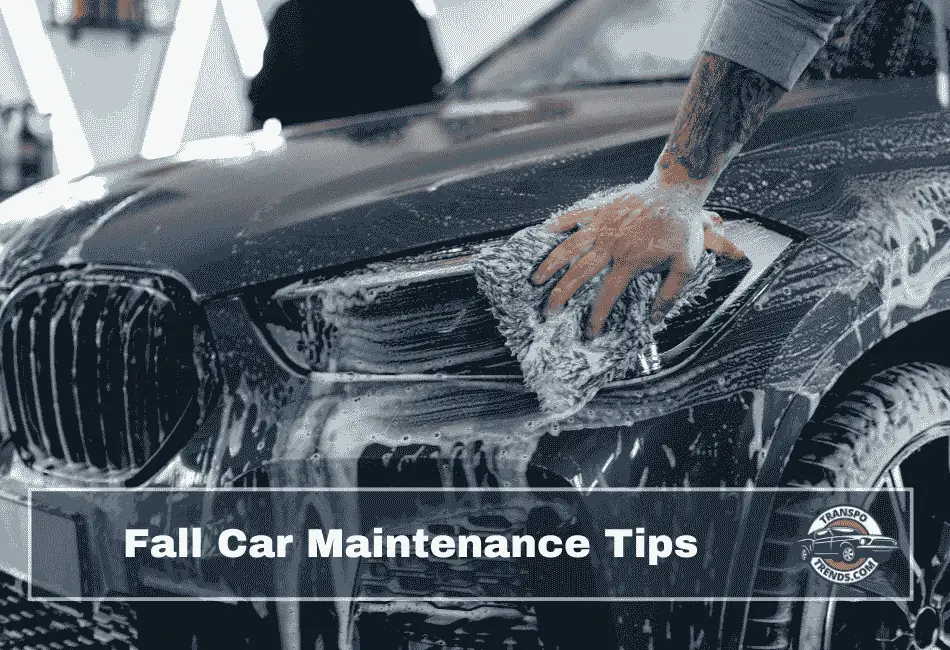
8. Wash and Wax the Body, Touch Up the Chips
Fall is the season of tree sap, acidic leaves, and early road salt. Give your paint a fighting chance. Wash it thoroughly, clay bar if needed, and apply a wax or sealant.
Check for rock chips and touch them up before salt finds its way into bare metal. A cheap paint pen now is cheaper than rust repair later.
9. Inspect All Your Lights
You are going to be using your lights more in the fall. Make sure all bulbs work: headlights, tail lights, brake lights, turn signals, reverse lights.
Burned-out bulbs do not just look bad – they make you a target for tickets and make night driving dangerous. Replace any that are dim or dead.
10. Prep an Emergency Kit
Fall is unpredictable. Storms, sudden drops in temperature, or a random early snow. Be ready. Your car should always have:
- Jumper cables or battery booster
- Flashlight with fresh batteries
- First aid kit
- Blanket
- Energy bars and bottled water
- Small shovel
- Ice scraper
It is better to have it and not need it than to need it and not have it.
Summary Table: Fall Maintenance Essentials
| Task | What To Do | Why It Matters |
|---|---|---|
| Bug Removal | Use a bug cleaner to clean summer splatter | Prevents paint damage and restores appearance |
| Headlight Restoration | Sand and polish oxidized lenses | Boosts night driving visibility |
| Tire Pressure Check | Inflate to recommended PSI | Ensures safety and fuel economy |
| Wiper Blade Replacement | Replace old blades and fill washer fluid | Improves visibility in rain and snow |
| Battery Test | Check battery health and clean terminals | Prevents no-starts in cold weather |
| Fluids Check | Top off or replace key fluids | Keeps engine and systems running properly |
| Brake Inspection | Check pads, rotors, and fluid | Reduces stopping distance in slippery conditions |
| Wash/Wax and Paint Touch-Up | Clean, protect, and seal the paint | Prevents rust and corrosion from seasonal grime |
| Light Check | Replace any burned-out or dim bulbs | Improves safety and visibility |
| Emergency Kit Prep | Pack safety gear for roadside events | Keeps you safe and prepared in bad weather |