
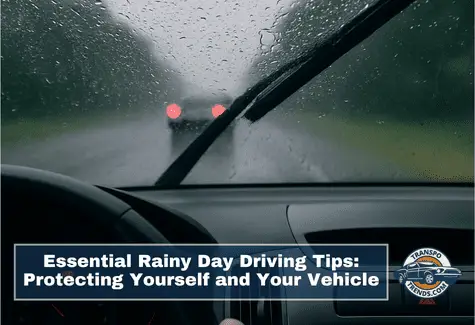
Driving in the rain presents unique challenges that can compromise both safety and vehicle integrity.
From reduced visibility to the risk of engine damage, it is crucial to understand how to navigate wet conditions effectively.
This guide provides practical advice to help you stay safe and maintain your vehicle during rainy weather.
1. Avoid Restarting a Stalled Engine in Water
If your vehicle stalls after driving through a flooded area, resist the urge to restart it immediately.
Attempting to do so can lead to hydrolock, a condition where water enters the engine cylinders, causing severe damage.
What to Do:
- Do Not Restart: Leave the engine off to prevent further damage.
- Check the Air Filter: Remove and inspect the air filter for moisture. A wet filter indicates water ingress.
- Inspect the Oil: Examine the oil dipstick for signs of water contamination, such as a milky appearance.
- Seek Professional Help: Have a qualified mechanic assess the situation before attempting to start the engine.
Expert Insight: According to automotive experts, restarting a water-infiltrated engine can cause extensive damage, leading to costly repairs or complete engine failure.
2. Use the Air Conditioner to Defog Windows
Rain increases humidity inside the vehicle, often leading to fogged-up windows that impair visibility.
Steps to Clear Fogged Windows:
- Activate the Air Conditioner: Turn on the A/C to dehumidify the air inside the car.
- Set to Defrost Mode: Adjust the airflow to direct air onto the windshield and windows.
- Increase Fan Speed: Use a higher fan setting to expedite the defogging process.
- Open Windows Slightly: If necessary, crack open the windows to allow humid air to escape.
Additional Tip: Ensure your windshield wipers are in good condition to maintain clear visibility during rain.
3. Keep Side Mirrors Clear
Water droplets on side mirrors can distort your view, making lane changes and turns hazardous.
Solutions:
- Use Water-Repellent Products: Apply a hydrophobic treatment to mirrors to prevent water accumulation.
- Manual Wiping: If necessary, pull over safely and wipe the mirrors with a dry cloth.
Expert Insight: Some vehicles have heated side mirrors that activate with the rear defrost function, helping to keep them clear during wet conditions.
4. Utilize Fog Lights Appropriately
Fog lights are designed to enhance visibility during low-visibility conditions such as heavy rain or fog.
Understanding Fog Light Symbols:
- Front Fog Lights: Typically represented by a green icon with lines pointing left.
- Rear Fog Lights: Usually indicated by an amber icon with lines pointing right.
When to Use Fog Lights:
- Low Visibility: Activate fog lights when visibility drops below 100 meters.
- Turn Off When Not Needed: Using fog lights in clear conditions can dazzle other drivers and is often illegal.
Legal Considerations: Improper use of fog lights can result in fines and may endanger other road users.
5. Maintain Safe Driving Practices
Rainy conditions require adjustments to your driving habits to ensure safety.
Key Practices:
- Reduce Speed: Wet roads can be slippery; driving slower gives you more control.
- Increase Following Distance: Allow more space between you and the vehicle ahead to account for longer stopping distances.
- Avoid Sudden Movements: Steer and brake gently to prevent skidding.
- Stay Alert: Keep your attention on the road and be prepared for unexpected situations.
Expert Insight: The National Weather Service advises using low-beam headlights in foggy conditions to improve visibility without causing glare.
Conclusion
Driving in the rain demands heightened awareness and proactive measures to ensure safety.
By avoiding the restart of a stalled engine in water, using your vehicle’s air conditioning system to defog windows, keeping side mirrors clear, utilizing fog lights appropriately, and maintaining safe driving practices, you can navigate wet conditions more safely.
Always prioritize caution and seek professional assistance when necessary to protect both yourself and your vehicle.