
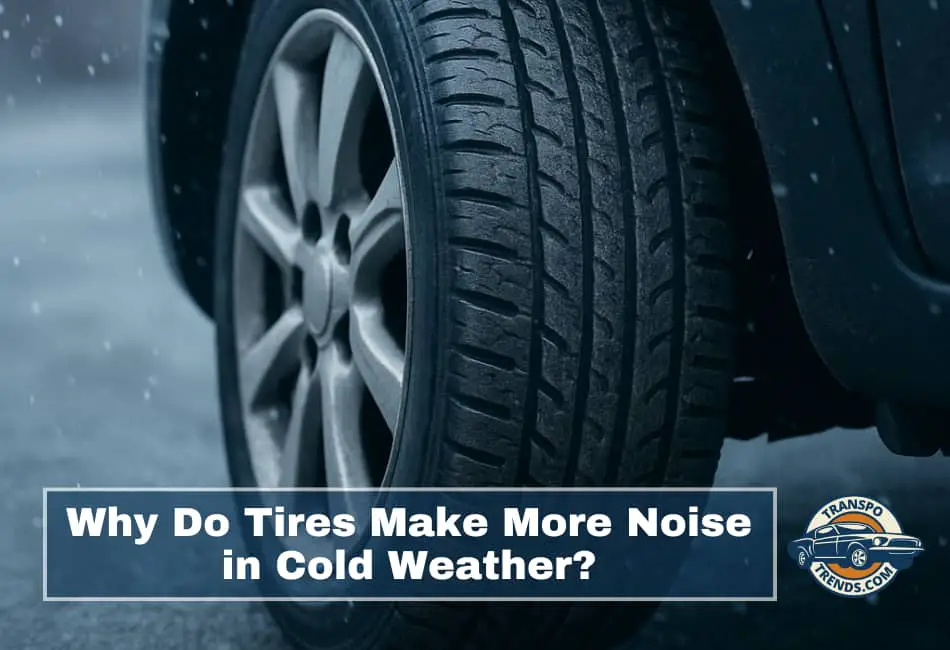
As temperatures drop and the winter months set in, many drivers begin to notice that their car’s tires seem to be louder than usual.
This might seem like a minor inconvenience, but if you’re wondering why your tires are making more noise in cold weather, you’re not alone.
It’s a common issue faced by many motorists, and understanding the reasons behind it can help you take the right steps to minimize noise while ensuring your safety on the road.
In this blog post, we’ll explore the factors that contribute to increased tire noise in cold weather, from changes in tire composition and tread design to road conditions and maintenance practices.
Let’s dive into the key reasons why tires become noisier during colder months and what you can do to manage this issue effectively.
1. Rubber Hardening
One of the main contributors to increased tire noise in cold weather is the hardening of the rubber compound used in tire construction.
Tires are made from a mixture of natural and synthetic rubbers, designed to remain flexible in a variety of conditions. However, when temperatures drop, the rubber molecules contract, causing the tire to lose its natural flexibility.
This process, known as rubber hardening, makes the tire stiffer and less capable of absorbing road vibrations. As a result, the tire has less ability to dampen the sound produced when it interacts with the road surface.
When rubber is softer, it absorbs more of the road vibrations, making for a quieter ride. In contrast, when rubber becomes stiff, it amplifies the road noise, making it much louder.
What this means for your ride:
Harder rubber creates more vibration and friction when driving, especially over rough or uneven surfaces, which translates to more noise.
This effect is particularly noticeable in the morning when tires have been sitting in cold temperatures overnight, leading to greater stiffness.
Drivers will notice increased noise when driving on rough patches of road or after hitting bumps and potholes.
2. Winter Tires
Winter tires are specifically designed to perform well in cold, snowy, and icy conditions. They have deeper treads and more aggressive tread patterns compared to regular all-season tires.
These features are essential for providing better traction in slippery conditions and ensuring safe braking on snow or ice.
However, this increased traction comes at a cost: more road noise. Winter tires often have larger voids between their tread blocks and more aggressive block designs, which are essential for channeling snow and slush away from the contact patch.
While these designs improve performance in winter conditions, they also create more friction, especially on dry or bare pavement, leading to louder noise.
What this means for your ride:
The wide tread spacing in winter tires traps air as the tire rotates. This air is compressed and decompressed, which creates noise.
This effect is especially noticeable when driving at higher speeds, such as on highways, as the tire’s rotation rate increases.
Additionally, the large tread blocks, designed to grip icy surfaces, generate more noise due to the greater contact with the road.
3. Underinflated Tires
Cold temperatures also lead to a drop in tire pressure. As the temperature drops, the air inside your tires contracts, which causes the tire pressure to decrease.
This is a natural consequence of colder weather, and it’s one of the primary reasons why tire pressure tends to be lower in winter months.
Underinflated tires can cause more friction between the tire and the road. The lower pressure increases the surface area of the tire that comes into contact with the road, which not only leads to greater rolling resistance but also produces more noise.
A tire with proper inflation reduces the amount of contact it has with the road, leading to less friction and noise.
What this means for your ride:
Underinflated tires generate additional friction because they make more contact with the road surface. This increased friction leads to more noise, as well as potentially faster tire wear and poorer fuel efficiency.
To avoid this, it’s crucial to check your tire pressure regularly during the colder months and inflate your tires to the recommended levels.
4. Harder Road Surfaces
In addition to changes in your tires, the condition of the road surface itself can contribute to increased tire noise during the winter months.
Cold weather causes asphalt to become stiffer, which means it loses some of its natural flexibility that normally helps absorb vibrations from tires.
As a result, the road surface amplifies the sound produced by the tires, especially when they encounter bumps, cracks, or rough patches.
Furthermore, the presence of snow, ice, and winter treatments like salt and sand can make the road surface even rougher, which further increases tire noise.
While snow and ice add texture and roughness to the road, salt and sand treatments are often used to improve traction, but they can also make the road surface more abrasive, creating additional friction and noise as tires roll over them.
What this means for your ride:
Asphalt that has become stiffer due to the cold weather doesn’t absorb vibrations as well, so you hear more of the road noise.
Additionally, rough winter road conditions, such as icy patches or roads treated with salt, increase the roughness of the road surface, further amplifying tire noise.
Drivers may notice a significant increase in road noise when driving on untreated or poorly maintained winter roads.
The Composition of Winter Tires
Winter tires are often made from a rubber compound that includes materials like silica, which is intended to keep the tires flexible at freezing temperatures.
While this composition provides better traction and grip on icy and snowy surfaces, it comes with a trade-off. The softer rubber used in winter tires tends to absorb fewer vibrations compared to the harder rubber used in summer tires.
This lack of vibration absorption contributes to louder noise levels. While the softer compound is necessary for maintaining safety and performance in winter conditions, it also means that the tires are less effective at reducing road noise.
6. Maintenance
While the increased tire noise in cold weather is often inevitable, there are steps you can take to minimize it. Regular tire maintenance, including checking tire pressure, is essential.
Keeping your tires properly inflated ensures that they don’t make as much contact with the road, which can reduce the noise caused by excessive friction.
Additionally, rotating your tires every 5,000 to 8,000 miles ensures even tread wear. Unevenly worn tires can create additional noise as the surface becomes irregular, leading to increased vibration and friction.
It’s also important to inspect your tires for any damage, such as cracks or excessive wear, as damaged tires can create more noise.
What this means for your ride:
Routine maintenance is crucial for keeping noise levels to a minimum. Regularly checking tire pressure and rotating your tires helps ensure that they wear evenly, which can reduce road noise.
Moreover, inspecting tires for damage can help prevent the additional noise caused by damaged tires.