
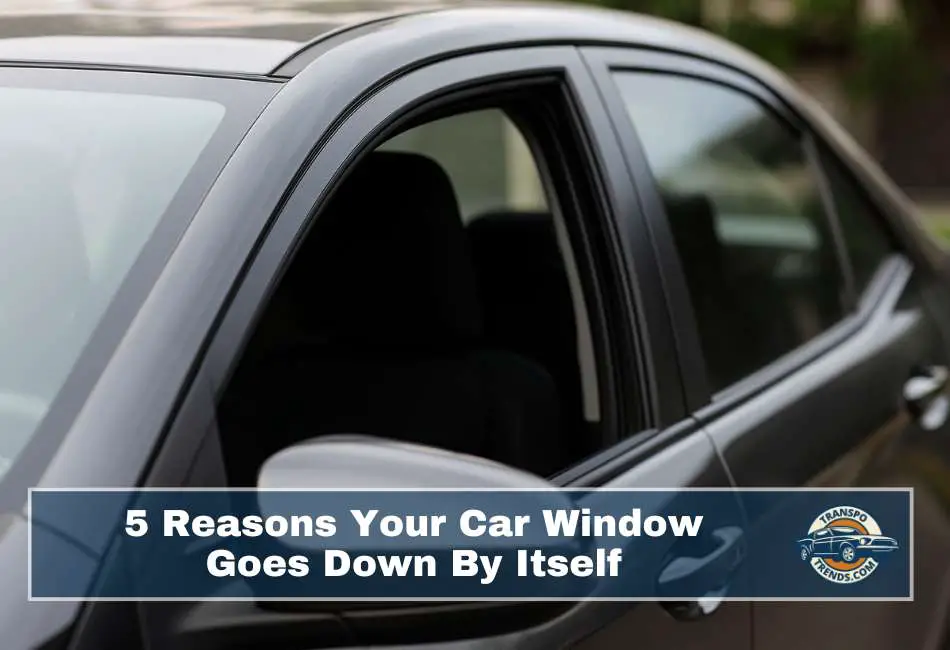
Unintended window roll-downs are more common than you might think, especially in vehicles with power windows. Whether you drive a Toyota Camry, Ford F-150, Honda CR-V, or a trusty old sedan, the reasons usually boil down to electrical glitches, mechanical failures, or – in some cases – misunderstood “features.”
Let us break down the most common causes, what you can do about them, and when it is time to call a professional.
1. You Might Be Accidentally Pressing a Button
Believe it or not, many modern cars have a “global open” feature that allows all windows to roll down if you hold down the unlock button on your key fob.
This is handy on hot days, but it can also be triggered by accident if your keys are in your pocket, purse, or even sitting under something on a counter.
What to do:
- Check your owner’s manual to see if your car has this feature.
- Store your key fob where it cannot be pressed inadvertently.
- Some vehicles (like certain BMW and Honda models) allow this function to be disabled in the settings menu.
2. Faulty Window Switch or Control Module
The master switch on your driver door or a switch on the window itself might be sticking or short-circuiting, which could send a false “window down” command.
Signs to look for:
- The switch feels loose or stuck.
- The window rolls down on its own but still responds to switch input.
Quick fix:
- Use an electronic contact cleaner to clean around the switch.
- If the issue persists, you may need to replace the switch. Fortunately, switches for popular models like the Toyota Corolla or Honda Civic are relatively inexpensive and easy to replace.
3. Broken or Loose Window Regulator
If your window slides down slowly, rattles, or falls suddenly into the door, the internal regulator might be broken. This mechanical part holds your glass in place and controls its movement.
DIY Tip:
- Remove the door panel (usually a few screws and clips).
- Check for loose clamps or snapped cables.
- Regulators for widely-used cars like the Camry or F-150 are available on Amazon and can often be replaced at home with basic tools.
4. Frayed Wires in the Door Harness
In high-mileage vehicles or cars that see a lot of daily use, the rubber boot between your door and body may hide cracked or fraying wires. A damaged wire can intermittently send signals to the window motor.
Solution:
- Gently peel back the rubber boot and inspect the wiring.
- Splice and seal any exposed wires.
- Consider a heat-shrink wire repair kit if the damage is significant.
5. Extreme Temperatures Are Making It Worse
Cold weather can freeze your window seals and cause regulators to fail if forced. Hot weather, on the other hand, may increase the likelihood of accidental remote activations due to expanded materials or key fob sensitivity.
Prevention tips:
- Use silicone spray lubricant in your window tracks to prevent freezing.
- Be cautious when defrosting frozen windows — never force them.
- Park in shaded areas or use a windshield sunshade to reduce interior heat buildup.
When to See a Professional
If your window:
- Keeps dropping repeatedly despite troubleshooting
- Makes grinding or clicking noises when moving
- Causes other electronics (like locks or mirrors) to malfunction
…it is time to consult a trusted mechanic or auto electrician. Power windows are often tied into your vehicle’s body control module (BCM), and further testing may require diagnostic tools only a shop will have.
Summary Table: Why Your Car Window Is Rolling Down by Itself
| Cause | Symptoms | Fix |
|---|---|---|
| Accidental remote trigger | All windows down after parking | Check owner’s manual, disable feature if possible |
| Faulty window switch | Window rolls down without input | Clean or replace switch |
| Broken window regulator | Window falls or rattles | Inspect and replace regulator |
| Frayed door harness wires | Happens when door moves | Inspect boot, splice and seal wires |
| Extreme heat or cold | Seasonal or weather-related behavior | Use silicone spray, avoid forcing frozen glass |