
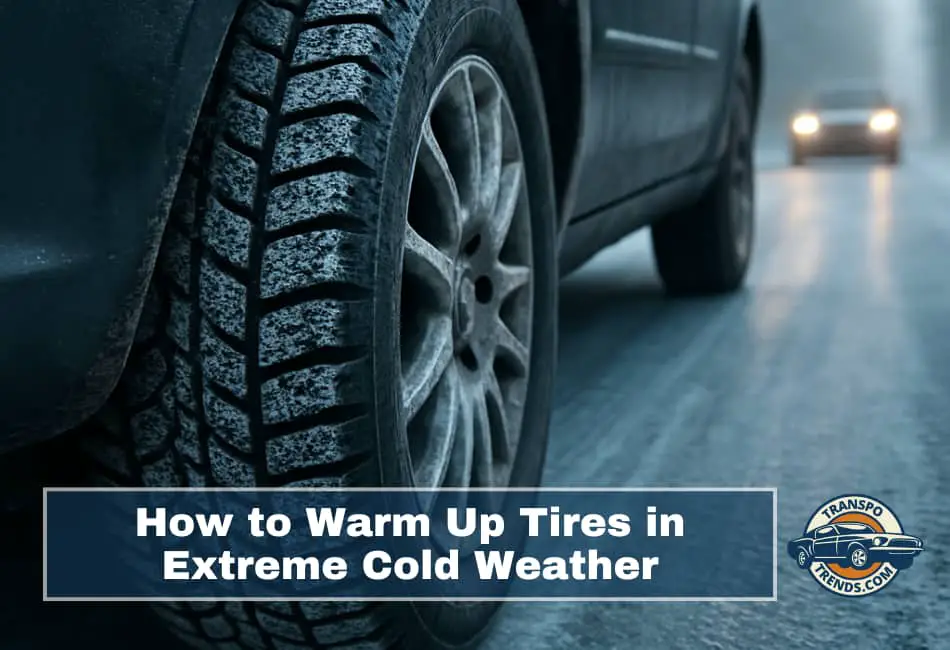
Tires are more than just round rubber circles. They are carefully engineered components that respond dramatically to temperature. In extreme cold, they become stiff, lose grip, and take longer to perform at their best.
If you have ever driven in freezing temperatures and felt your car hesitate to respond the way it usually does, it is likely because your tires were not yet warmed up.
So, how do you warm up tires safely and effectively in the dead of winter? Whether you drive a daily commuter or a high-performance vehicle, here are six practical, intelligent tips to help your tires gain traction—literally and figuratively—on icy roads.
1. Understand Why Cold Tires Are Dangerous
Tires are made from rubber compounds that are designed to flex and grip the road surface. But when temperatures drop, that rubber loses its flexibility.
Instead of being soft and sticky, it becomes stiff and rigid. The result? Less surface contact with the road and reduced traction.
At temperatures below 45°F (7°C), even all-season tires start to lose their pliability. For summer or performance tires, the change is even more dramatic.
They are built for heat and dry pavement—not frozen roads. That is why driving on cold tires feels like skating rather than rolling.
Without enough warmth, your tires will not conform to road imperfections, cannot bite into icy or snowy surfaces, and may take longer to respond when braking or turning. The risk is not just slipping—it is unpredictability.
2. Choose the Right Tire for the Season
Before worrying about warm-up routines, check your tire type. Each tire is designed for specific temperature ranges.
Winter Tires are made with rubber compounds that stay soft even in freezing temperatures. They are engineered to grip snow, ice, and cold pavement with deep treads and small cuts called sipes. These tires need far less warm-up time than other types.
All-Season Tires work decently in moderate climates but stiffen significantly in sub-freezing temperatures. If you rely on them in winter, be extra cautious during the first 10–15 minutes of driving.
Summer or Performance Tires should not be used at all in extreme cold. Their compounds harden quickly, making them almost useless below freezing.
Using the right tire for the weather is the best first step in ensuring safe traction.
3. Check Tire Pressure Before Every Cold Drive
Cold temperatures cause air to contract. For every 10°F drop in temperature, your tire pressure can fall by 1 to 2 PSI. That may not sound like much, but low pressure means less stability, reduced tread life, and worse fuel economy.
More importantly, underinflated tires perform even worse in cold weather because they flex more. That flexing creates heat, but also weakens handling and increases the risk of sidewall damage.
Before any winter drive—especially on mornings after a temperature drop—use a digital tire gauge to check all four tires. Inflate them to the manufacturer’s recommended cold tire pressure, which is usually found on a label inside the driver’s side door.
Be aware that some cars have tire pressure monitoring systems (TPMS) that alert you to low pressure, but not all systems are precise. Manual checks are still your best bet.
4. Drive Gently to Build Heat
Here is the truth: you cannot warm up tires by idling. You warm them up by moving.
But—and this is crucial—you need to drive gently. Flooring the accelerator, stomping on the brakes, or jerking the steering wheel is not only dangerous on cold tires, but it also creates uneven heat, leading to scuffing and premature wear.
Start by easing out of your driveway. Take corners slowly. Brake early and softly. Accelerate at a relaxed pace. It typically takes 5 to 15 minutes of moderate driving to bring tires up to a temperature where they perform better.
If your car feels unstable, increase your following distance. Give the tires time to grip before asking them to do anything demanding.
5. Use Indoor Parking When Possible
Where your tires spend the night has a huge impact on how they perform in the morning.
If you park outside on frozen pavement, your tires will be as cold as the air around them. But if you have access to a garage—especially a heated or insulated one—that temperature buffer can make a difference.
Even a few degrees of warmth can reduce the time it takes to get your tires into their ideal operating range. While you may not have the luxury of a heated garage, parking in a sheltered area, under a carport, or next to a building can help protect your tires from wind chill and snow accumulation.
If you must park outdoors, avoid snowbanks or icy slopes that may increase the risk of frozen tread or flat-spotting overnight.
6. Know What High-Performance Drivers Do
In motorsports, drivers often use tire blankets, tire warmers, or pre-heated garages to get tires up to optimal temperature before hitting the track. These systems apply direct heat to the tire to make the rubber soft and sticky.
Sounds like a great idea, right? Not so fast.
Tire warmers are not practical—or legal—for everyday drivers. They require electricity, constant monitoring, and are designed for race-ready tires. Your all-seasons or winter tires are not built for artificial heat and may degrade if heated improperly.
Instead of looking to professional racers, take your cue from winter driving experts: let the road warm your tires. Just like your body warms up with movement, your tires will too—as long as you do not rush it.
Bonus: Tips by Tire Type
Winter Tires:
- Begin gripping well almost immediately
- Still benefit from 5 to 10 minutes of moderate driving
- Best suited for snow, slush, and sub-freezing pavement
All-Season Tires:
- Need 10 to 15 minutes to soften up
- Can slide or feel stiff during initial miles
- Not ideal for heavy snow or black ice
Summer Tires:
- Not recommended below 45°F
- Can crack or lose all traction in freezing temps
- Replace with winter or all-weather tires before cold sets in
Final Thoughts
Warming up your tires in extreme cold is not about tricks or tools. It is about understanding how your tires behave and giving them the space and time they need to function safely.
Whether you are commuting to work, picking up groceries, or heading out for a weekend drive, remember this: cold tires need gentle driving. Start slow. Be mindful. And choose the right tire for the job.
By following these tips, you will not only extend the life of your tires—you will drive safer and with more confidence on even the frostiest days.