
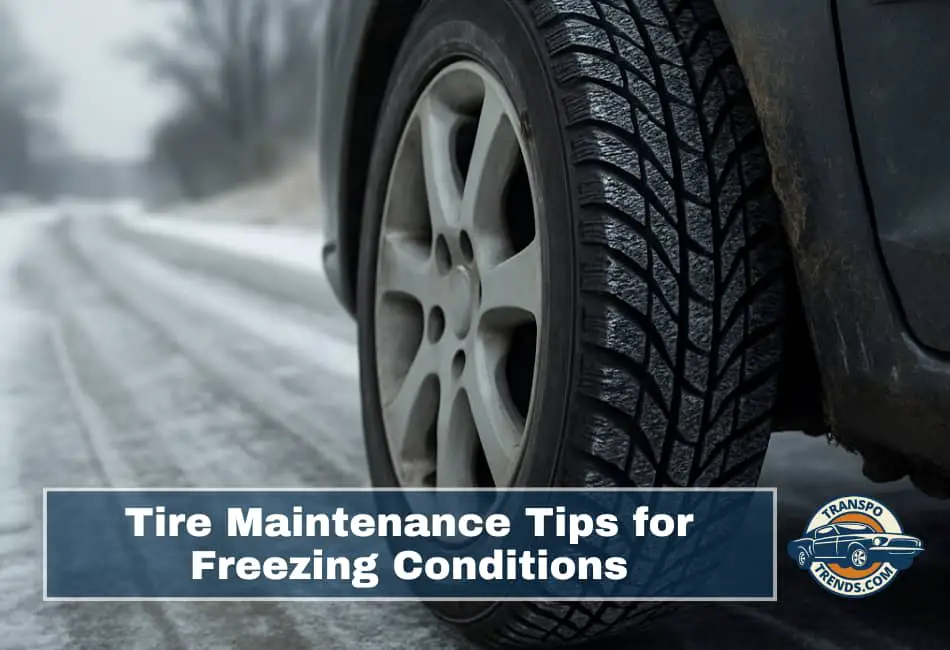
Winter brings a new set of challenges for drivers, with icy roads, snow-covered streets, and freezing temperatures becoming the norm in many areas. In these conditions, tires are the unsung heroes of winter driving.
They are the only point of contact between your vehicle and the road, making their maintenance crucial for ensuring your safety during harsh conditions.
Neglecting tire maintenance in freezing conditions can lead to reduced traction, longer stopping distances, and even dangerous tire failures.
This article presents six essential tire maintenance tips designed to keep your tires in top condition for the freezing weather.
Drawing from authoritative sources and real-world insights, these practical, actionable tips will help you navigate winter roads with confidence and safety.
Why Tire Maintenance Is Critical in Freezing Conditions
Freezing temperatures, typically below 32°F (0°C), cause significant changes to your tires. Cold weather makes rubber harder, reducing its flexibility and grip, while air contracts, leading to lower tire pressure.
These changes can compromise traction, increase stopping distances, and heighten the risk of skidding on icy or snowy roads.
According to the National Highway Traffic Safety Administration (NHTSA), regular tire maintenance is critical to maintaining control of your vehicle in freezing conditions.
By prioritizing tire care, you will not only improve your vehicle’s performance but also protect your safety and the safety of others on the road.
Let’s explore the six best tire maintenance tips that will ensure your tires are winter-ready and performing at their best.
1. Check and Maintain Proper Tire Pressure
Imagine driving on a frosty morning and noticing sluggish handling or an alert from your tire pressure monitoring system.
Cold temperatures cause the air inside your tires to contract, lowering the tire pressure by approximately 1 PSI for every 10-degree Fahrenheit drop in temperature.
Under-inflated tires increase rolling resistance, which not only reduces fuel efficiency but also compromises traction, making them more likely to skid on icy surfaces.
To maintain proper tire pressure:
- Check tire pressure at least monthly, or more frequently during significant temperature changes.
- Always check tire pressure when the tires are cold, ideally before driving even a short distance.
- Use a reliable tire pressure gauge and compare the measurement with the recommended tire pressure levels found on your vehicle’s placard (usually located on the driver’s side door jamb).
- Avoid using the maximum pressure listed on the tire sidewall, as this is not the recommended value for your vehicle.
According to the U.S. Tire Manufacturers Association (USTMA), maintaining proper tire pressure is essential for safety, reducing wear, and ensuring that your tires perform optimally in freezing conditions.
| Action | Why It Matters | How to Do It |
|---|---|---|
| Check Tire Pressure | Prevents skidding and improves fuel efficiency | Use a gauge monthly, adjusting to the recommended PSI |
2. Inspect Tread Depth Regularly
Tread depth plays a crucial role in your tire’s ability to grip icy or snowy surfaces. Shallow treads reduce traction, which can lead to hydroplaning or loss of control on wet, frozen, or snow-covered roads.
While the legal minimum tread depth is 2/32 of an inch in most states, it’s recommended to maintain at least 4/32 of an inch for winter driving to ensure safe performance.
To check tread depth:
- Use the quarter test: Insert a quarter into the tread groove with Washington’s head facing down. If the top of his head is visible, the tread is below 4/32 of an inch, and the tires should be replaced.
- Use a tread depth gauge for more precise measurements, checking multiple points across the tire, such as the outer edge, center, and inner edge.
- If tread depth falls below 4/32 of an inch, it’s time to replace the tires to maintain traction in winter conditions.
According to AAA Exchange, regular tread depth checks are essential for safe winter driving, as tread depth directly impacts tire performance on icy roads.
| Tread Depth | Safety Level | Action Needed |
|---|---|---|
| ≥ 4/32″ | Safe for winter | Continue monitoring |
| < 4/32″ | Risky in snow/ice | Plan to replace tires soon |
| < 2/32″ | Unsafe, illegal | Replace immediately |
3. Consider Switching to Winter Tires
While all-season tires are versatile, they struggle in extreme cold, especially when temperatures consistently drop below 45°F (7°C).
Winter tires are specifically designed with softer rubber compounds and deeper, siped tread patterns, which allow them to remain flexible and grip snow, ice, and slush effectively.
This flexibility significantly improves traction and reduces stopping distances, sometimes by as much as 30% compared to all-season tires.
If you live in an area with harsh winters—frequent snow or frequent ice—winter tires are a wise investment. They offer superior traction, handling, and safety, especially on unpredictable winter roads.
For those in milder climates with occasional snow, high-quality all-season tires marked with the Three-Peak Mountain Snowflake (3PMSF) symbol can suffice. However, winter tires remain the gold standard for harsh winter conditions.
| Tire Type | Best For | Winter Performance |
|---|---|---|
| All-Season | Mild winters | Adequate for light snow |
| Winter | Harsh winters | Superior traction on snow/ice |
4. Rotate and Balance Tires Regularly
Uneven tire wear can compromise your vehicle’s handling, especially in winter, when consistent traction is crucial. Regular tire rotation ensures all four tires wear evenly, preserving balanced performance across the vehicle.
Balancing tires helps eliminate vibrations, which can exacerbate wear and affect handling, particularly when driving on slippery roads.
To maintain tire balance and rotation:
- Rotate tires every 5,000 to 7,000 miles or as recommended by your vehicle’s manufacturer.
- Have your tires balanced whenever you notice vibrations while driving or during routine rotations.
- Refer to your owner’s manual for specific rotation patterns based on your vehicle type (e.g., front-wheel drive, all-wheel drive).
Grice Connect emphasizes that tire rotation and balancing are vital practices for winter tire maintenance, ensuring better performance and longer tire life.
5. Inspect Tires for Damage
Cold temperatures can make tire rubber brittle, which increases the likelihood of cracks, cuts, or punctures. Damaged tires are far more likely to fail, particularly during harsh winter conditions. A proactive inspection routine can help identify damage before it leads to more serious issues.
To inspect tires for damage:
- Look for bulges, cuts, or embedded objects in the tread and sidewalls.
- Check for dry rot or cracking, especially on older tires (more than six years from the manufacture date).
- If you find any signs of damage, have the tires inspected by a professional to determine whether they need repair or replacement.
Tire Works recommends performing regular tire inspections to catch potential issues early, preventing unnecessary accidents or breakdowns, especially when temperatures drop.
6. Keep Tires Clean
Winter roads are often treated with salt to help melt ice. However, this salt is corrosive and can damage both your tires and wheels if left unchecked.
Dirt and grime can also accumulate, accelerating wear and affecting tire performance. Regular cleaning can help preserve tire integrity and improve your car’s appearance.
To clean tires:
- Wash tires regularly using mild soap and water, and use a soft brush to remove road salt, grime, and debris.
- Clean wheel wells to remove salt and other corrosive materials that can damage your tires.
- After cleaning, dry the tires thoroughly to avoid water spots and further damage.
Wheel Works stresses that keeping your tires clean is a simple yet effective way to extend their lifespan, particularly during winter months when corrosive substances are more prevalent.
Additional Considerations
Beyond these six essential tips, here are a few additional practices to ensure your vehicle is winter-ready:
- Monitor Tire Age: Tires older than six years may become brittle and more prone to failure in cold weather, even if tread depth is still adequate.
- Prepare for Emergencies: Always keep a tire pressure gauge, a jack, and a spare tire in your vehicle for unforeseen issues.
- Drive Cautiously: In freezing conditions, adjust your driving habits. Maintain a safe following distance, reduce speed, and be mindful of longer stopping distances.
Conclusion
Maintaining your tires in freezing conditions is critical not just for extending their lifespan, but also for ensuring your safety on the road.
By checking tire pressure, inspecting tread depth, considering winter tires, rotating and balancing your tires, inspecting for damage, and keeping them clean, you can navigate winter with confidence.
These six tire maintenance tips will help you drive safely through the season’s challenges, ensuring you can rely on your tires when it matters most.
For further guidance, check resources from the National Highway Traffic Safety Administration (NHTSA) and the U.S.
Tire Manufacturers Association (USTMA). Stay proactive and safe, and let your tires take you confidently through the winter months.