
If you have ever looked at the 2019 and newer Ram 1500 and thought, “That looks like the perfect full-size truck for me,” you are not alone.
Ram’s redesign grabbed headlines with a plush interior, a massive 12-inch infotainment screen, smooth ride quality, and enough trim options to appeal to everyone from tradespeople to luxury truck buyers. On paper, it had the potential to dominate the segment.
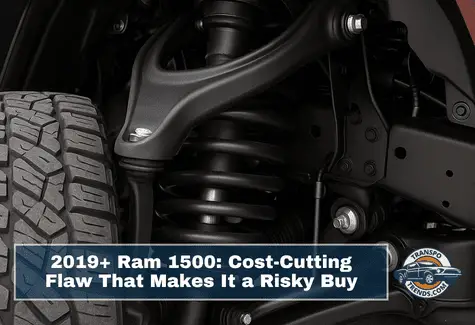
However, beneath the premium leather, chrome accents, and marketing hype lies a decision so baffling that it undermines the truck’s entire reputation: plastic upper control arms.
Yes, you read that correctly — a critical suspension component that takes the brunt of road impacts, helps maintain steering stability, and plays a huge role in your truck’s overall safety has been downgraded from metal to plastic.
For a truck costing well over $50,000 in most trims, this is not just disappointing — it is a glaring example of cost-cutting that could have long-term consequences for reliability, resale value, and driver safety.
What Upper Control Arms Actually Do — and Why Material Matters
Before diving into why Ram’s decision is so problematic, let us talk about what the upper control arm does in your truck’s suspension system.
In a typical front suspension, the upper control arm connects the steering knuckle to the vehicle’s frame and pivots up and down as the wheel moves over road surfaces. This keeps the wheel aligned and stable, helping you maintain proper handling and even tire wear.
Traditionally, control arms in trucks — especially full-size models — are made from steel or forged aluminum. These metals can handle high loads, resist deformation, and last for years, even under heavy towing, hauling, or off-road use.
By switching to plastic (composite) upper control arms, Ram introduced a material that may reduce weight and manufacturing cost but does not have the same track record for long-term durability in heavy-duty applications.
Under extreme stress — potholes, heavy payloads, off-road bumps — plastic components are more prone to cracking or deforming. When they fail, steering control can be compromised, creating an immediate safety hazard.
For context, Ford F-150 and Chevrolet Silverado 1500 models in similar years continue to use metal control arms in most configurations, especially on higher-trim or off-road packages.
Why Plastic Upper Control Arms Are a Red Flag
1. A Safety Concern in Real-World Driving
While plastic composites have been used in certain car components for decades, applying them to a full-size truck’s control arms is a different story.
Trucks are expected to handle higher stress loads — not just from weight, but from the variety of terrain they encounter.
If a plastic upper control arm cracks at highway speeds or during a hard turn, the wheel alignment could shift suddenly, potentially causing a loss of control.
Even a minor failure can lead to uneven tire wear and suspension misalignment that hurts both safety and performance.
2. Cost-Cutting at the Wrong Place
It is not uncommon for automakers to cut costs in ways that do not affect safety — swapping interior materials, adjusting trim packages, or tweaking non-structural features. But control arms? That is not the place to save a few dollars.
This decision sends a clear signal: the focus shifted from long-term durability to short-term profit margins. And for a brand competing in a fiercely loyal truck market, that is a dangerous gamble.
3. Potentially Higher Long-Term Maintenance Costs
Replacing control arms is not unusual over a truck’s lifetime, but the timing matters. On a well-built truck, you might expect to replace them after 150,000 miles or more, if at all. On a vehicle with plastic upper control arms, premature failure is far more likely — especially for owners who tow, haul, or use their trucks on rough roads.
And because these parts are integral to the suspension geometry, you cannot just patch them up. A full replacement — plus an alignment — could run $500 to $1,200 per side depending on labor rates and whether you choose OEM or aftermarket upgrades.
How This Decision Affects Resale Value
Resale value is a critical consideration for truck buyers. A well-maintained Ford F-150 or Toyota Tundra can hold its value for years. But when a model gains a reputation for using cheaper, failure-prone parts, that resale value can take a hit.
If more 2019+ Ram 1500 owners experience early suspension failures, word will spread quickly on truck forums, resale marketplaces, and used-vehicle review sites. Potential buyers will factor the likely repair cost into what they are willing to pay, which means lower trade-in and private sale values.
What Owners Can Do if They Already Have One
If you already own a 2019+ Ram 1500, the situation is not hopeless. There are proactive steps you can take to protect both your safety and your investment:
- Inspect Regularly
Have a trusted mechanic check the upper control arms during routine maintenance. Look for cracks, warping, or unusual wear on bushings. - Upgrade to Aftermarket Metal Control Arms
Several aftermarket manufacturers produce steel or aluminum control arms designed specifically for the 2019+ Ram 1500. Upgrading early can give peace of mind and extend the truck’s lifespan. - Document Everything
If a failure occurs, detailed service records and photos can help in warranty claims or future resale discussions. - Report Issues
Use the National Highway Traffic Safety Administration (NHTSA) complaint system to report any failures. If enough cases arise, it could trigger an investigation or recall.
The Bigger Picture: A Warning for Truck Buyers
The Ram 1500’s plastic control arm saga is a lesson for anyone shopping for a truck: never assume that newer automatically means better. Manufacturers are under constant pressure to cut production costs, and sometimes those cuts happen in places that are not advertised — but can have major real-world consequences.
Before buying any truck, especially a redesigned model, research not just the features and horsepower figures, but also the materials used in critical components. Truck forums, owner reviews, and detailed technical breakdowns can reveal things that glossy brochures never will.
Summary Table: 2019+ Ram 1500 Plastic Upper Control Arm Issue
| Factor | Details |
|---|---|
| Model Years Affected | 2019 and newer Ram 1500 models (varies by trim and configuration) |
| Part in Question | Upper control arms (plastic/composite material instead of metal) |
| Why It Matters | Critical suspension component; impacts steering stability, tire wear, and safety |
| Primary Concern | Increased risk of premature failure under load, especially in towing/hauling conditions |
| Cost-Cutting Impact | Downgraded material to save manufacturing costs; undermines truck’s long-term durability |
| Potential Repair Costs | $500–$1,200 per side (parts and labor) |
| Owner Recommendations | Inspect regularly, consider aftermarket metal upgrades, document issues, report to NHTSA |
| Impact on Resale Value | Potential decline if issue becomes widely reported |
| Key Takeaway | High-tech features and luxury interiors cannot make up for corner-cutting in safety-critical parts |